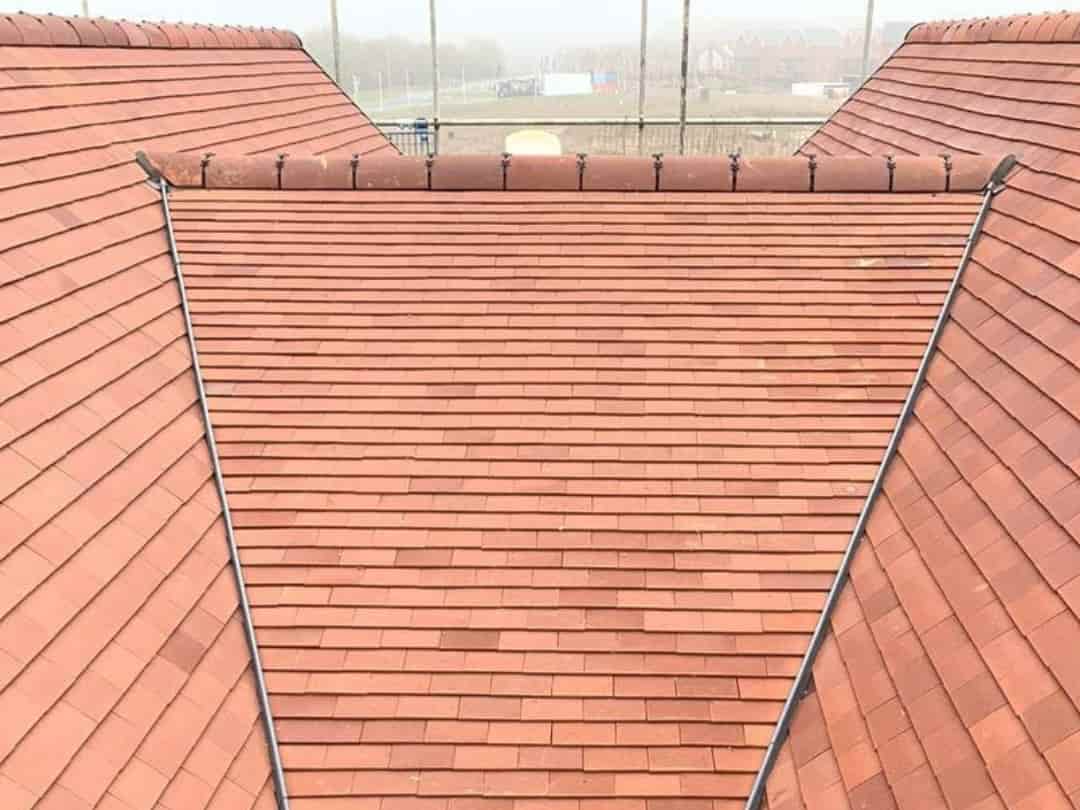
When planning a roof replacement, much of the focus naturally falls on tiles, slates, or membranes. However, one of the most critical yet often overlooked elements is leadwork. Properly designed and installed leadwork plays a central role in ensuring a roof performs effectively, particularly in managing water and protecting vulnerable junctions.
For property owners in Paddock Wood, Kent, understanding the importance of leadwork helps ensure a roof replacement delivers long-term reliability rather than short-term results.
What Is Leadwork in Roofing?
Leadwork refers to the use of shaped lead sheets installed at key points on a roof to create watertight seals. These areas typically include chimneys, roof valleys, abutments, dormer junctions, and changes in roof direction or height.
Lead is uniquely suited to these applications due to its flexibility, durability, and ability to accommodate natural building movement without cracking or splitting.
Why Leadwork Is Essential During Roof Replacement
A roof replacement presents the ideal opportunity to address ageing or inadequate leadwork. Replacing roof coverings without updating surrounding lead details can leave weak points that undermine the performance of the entire roof.
During a full replacement, leadwork is carefully integrated into the new roofing system, ensuring seamless protection where different materials meet.
Preventing Water Ingress at Vulnerable Areas
The primary function of leadwork is to manage water flow and prevent ingress at the most exposed parts of a roof. Areas such as chimneys and wall junctions are particularly prone to leaks if not properly sealed.
Well-installed leadwork channels water safely away from these points, reducing the risk of damp, internal staining, and structural damage.
Supporting Roof Longevity and Performance
A roof is only as strong as its weakest detail. Even high-quality tiles or slates can fail if water penetrates poorly detailed junctions.
By incorporating correctly detailed leadwork, roof replacements achieve consistent performance across the entire structure, helping to preserve the integrity of roof timbers and internal finishes over time.
Accommodating Movement and Weather Exposure
Buildings naturally expand and contract due to temperature changes. Lead’s flexibility allows it to move with the structure without losing its seal, making it especially valuable in the UK’s variable climate.
This adaptability helps prevent cracking and separation that can occur with rigid materials, particularly around chimneys and roof edges.
Avoiding Common Replacement Oversights
One common mistake during roof replacement is reusing old leadwork or applying temporary fixes. While these approaches may appear sufficient initially, they often lead to early failures.
Professional roofing projects assess leadwork as an integral part of the replacement process, ensuring it meets current standards and complements the new roof covering.
A Holistic Approach to Roof Replacement
Effective roof replacement is about more than installing new tiles. It requires a holistic approach that considers drainage, ventilation, junctions, and detailing.
Leadwork plays a vital role in tying these elements together, creating a roof system that is both robust and weather-resistant.
Conclusion
Leadwork is a fundamental component of successful roof replacement projects. By protecting vulnerable junctions, managing water flow, and accommodating structural movement, it helps ensure the roof performs as intended for years to come.
If you are planning a roof replacement in Paddock Wood, Kent, Paddock Wood Roofing can provide professional guidance and skilled workmanship. Thoughtful attention to leadwork during replacement is a key step towards a reliable and long-lasting roofing solution.
Call us on: 01892 352899
Click here to find out more about Paddock Wood Roofing
Click here to complete our contact form and see how we can help with your roofing needs.