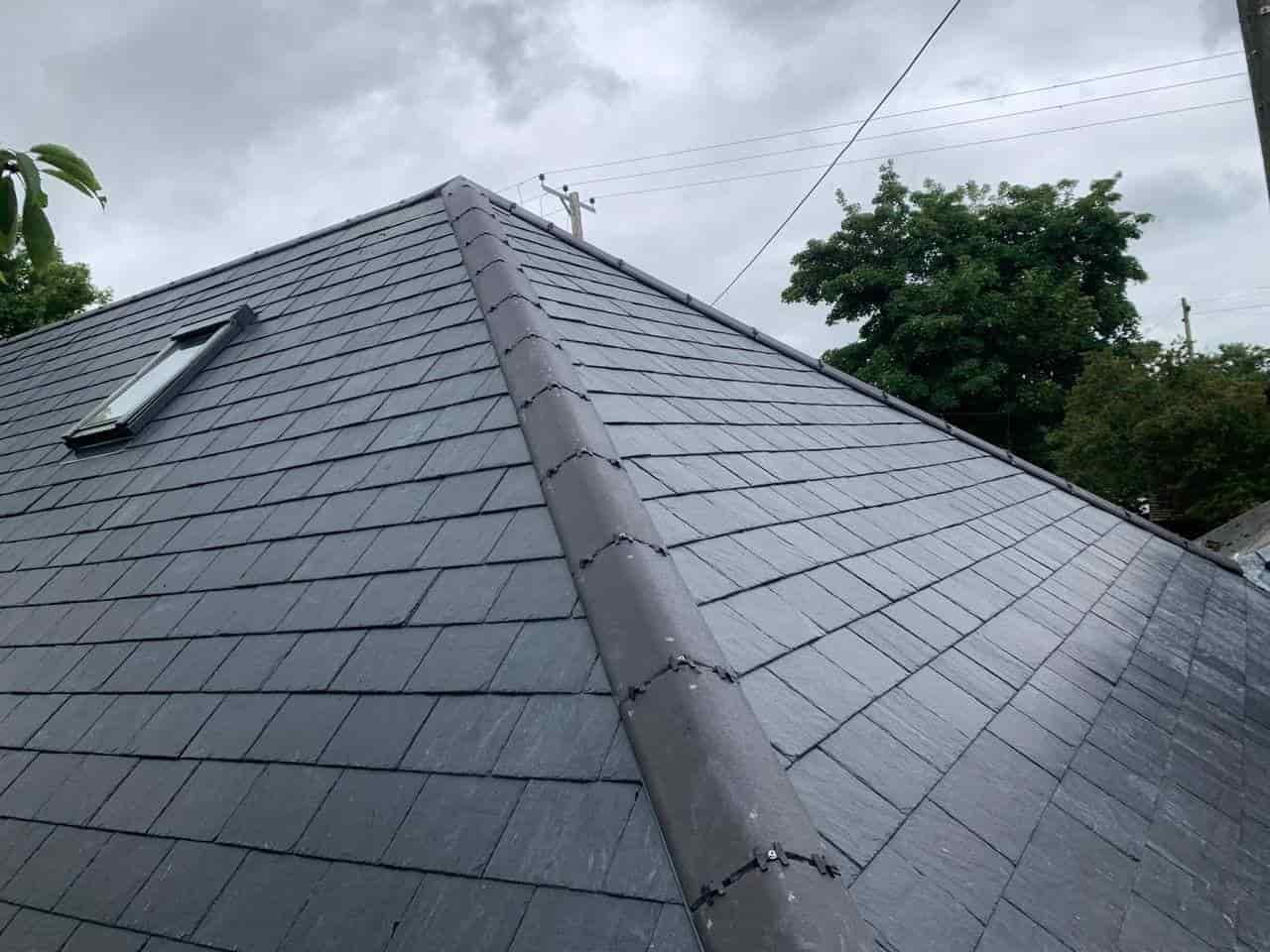
Many roofing problems begin long before they become obvious from inside a property. A slipped tile, deteriorating section of flashing or vulnerable roof junction may initially create very little visible evidence at ground level. By the time damp staining or a persistent leak appears internally, the original defect may have been developing for some time.
A professional roof inspection provides a more complete picture of how the roof is performing. Rather than concentrating solely on one visible problem, it considers the roof covering, junctions, edges, drainage areas and other components that work together to keep the property protected from the weather.
For homeowners in Paddock Wood, Kent, this can be particularly useful when a roof has developed recurring problems, visible deterioration or unexplained water ingress. An inspection can establish whether the issue is genuinely localised, whether connected defects are present and what type of repair is appropriate.
What Does a Professional Roof Inspection Look For?
A professional roof inspection looks beyond the general appearance of the roof and considers the condition and performance of its individual components.
Depending on the roof, this can include tiles or slates, ridge details, valleys, flashing, roof edges, flat roofing sections and visible signs of deterioration around important junctions.
The purpose is not simply to produce a list of imperfections. It is to identify defects that affect roof performance, understand how different problems may be connected and determine whether action is required.
The Overall Condition of the Roof Covering
One of the first considerations is the general condition of the main roof covering.
A roof can appear reasonably uniform from ground level while containing individual defects that are difficult to see without closer assessment.
An inspection can identify whether the covering remains generally sound or whether deterioration is becoming more widespread.
This distinction is important because a few damaged components may require only localised repairs, while repeated defects across several sections can suggest a broader pattern.
Cracked or Broken Roof Tiles
Cracked tiles are not always easy to identify from a distance.
A tile may remain in position despite containing a fracture that affects its ability to perform properly within the overlapping roof covering.
An inspection can identify significant cracks, broken sections and other physical damage.
The surrounding tiles can then be considered to determine whether the problem is isolated or whether neighbouring materials have also been affected.
Slipped and Displaced Tiles
Tiles need to remain correctly positioned to maintain the intended overlap across the roof.
A slipped tile can create a vulnerable area even when the tile itself has not broken.
Professional inspection can determine whether displacement has occurred and, importantly, investigate why.
Problems involving fixings, tile nibs or supporting battens can sometimes cause movement. Understanding the reason helps prevent a repair from addressing only the visible symptom.
Missing Roofing Materials
Missing tiles or slates create obvious interruptions within the main roof covering.
However, an inspection can reveal more than simply the empty space.
Neighbouring components may have shifted, and the underlying materials may have experienced greater exposure while the covering was incomplete.
Assessing the complete affected area provides a clearer understanding of the repair required.
Whether Several Tile Problems Are Connected
Multiple slipped or broken tiles do not always represent several unrelated defects.
Where problems are concentrated within one section, they may share a common underlying cause.
The condition of fixings, battens and surrounding materials can therefore become relevant.
A professional inspection helps establish whether individual tile replacement is sufficient or whether another component needs attention before the covering can be restored properly.
Ridge Condition
The ridge forms an important part of many pitched roofs and occupies a highly exposed position.
Inspection can reveal cracked, loose, displaced or deteriorating ridge components.
Where movement is present, the surrounding section should also be considered.
The objective is to determine the extent of the problem rather than focusing only on the most visibly affected ridge tile.
Roof Valleys and Water Flow
Valleys carry concentrated rainwater from adjoining roof slopes.
Because of this, their condition is particularly important to roof performance.
A professional inspection can identify deterioration, debris accumulation, displaced adjoining materials or other defects that may interfere with effective water movement.
Where internal damp appears near a valley, examining the complete drainage route can help identify the actual source.
Flashing Around Roof Junctions
Flashing is used around vulnerable roof junctions to help direct water away from areas where different surfaces meet.
Over time, flashing can become lifted, distorted, cracked or separated from adjoining materials.
Even a relatively small defect can create a possible route for water.
Professional inspection can assess both the flashing and the materials immediately around it, helping determine whether the junction remains properly protected.
Chimney Junctions
Chimney areas can contain several roofing details within a relatively small space.
The roof covering, flashing and adjoining materials all need to work together.
When damp appears near a chimney internally, the source cannot always be identified simply by looking at the nearest visible component.
Inspection can assess the complete junction and establish which part requires attention.
Roof Edges
Eaves, verges and other roof edges experience continual exposure to weather.
Movement or deterioration in these areas can sometimes remain unnoticed because homeowners naturally concentrate on the larger central roof slopes.
A professional inspection can identify displaced roofing materials, deteriorated details and other changes around the perimeter.
This helps ensure that vulnerable edge areas are not overlooked.
Flat Roof Coverings
Where a property includes a flat roofing section, its condition should be considered separately from a pitched roof.
Inspection may reveal cracking, splitting, blistering, deteriorated joints, damaged edges or problems around roof penetrations.
Flat roofs also depend on appropriate falls to move water towards drainage points.
The surface should therefore be assessed both for material condition and how effectively it is dealing with rainfall.
Persistent Standing Water
Significant areas of water remaining on a flat roof can indicate that the surface levels or drainage arrangement deserve attention.
Standing water does not automatically mean that the roof covering has failed.
However, persistent ponding can place prolonged moisture exposure on particular sections and may reveal low areas within the roof.
Inspection can establish whether the issue is related to drainage, surface condition or another factor.
Blisters and Raised Areas
Some flat roof defects appear as raised sections or blisters rather than obvious holes.
These changes can indicate that something is happening within the roofing system.
The extent and significance depend on the particular roof covering.
A professional inspection can determine whether the issue appears localised or whether similar changes are developing across a wider area.
Signs of Previous Roof Repairs
A roof inspection can also reveal its repair history.
Replacement tiles, patches, repaired flashing and other changes can indicate where previous problems have occurred.
Previous repairs are not automatically a concern. Appropriate repairs form a normal part of maintaining many roofs.
However, repeated work concentrated within the same area can provide useful information when diagnosing a new problem.
Whether Previous Repairs Are Deteriorating
Repair materials can themselves deteriorate over time.
An inspection may reveal cracking, separation or movement around an older repair.
Where this occurs, it is important to establish whether only the repair material has deteriorated or whether the original roofing problem has returned.
Adding another patch without understanding the previous work can make the area increasingly difficult to diagnose.
Evidence of Repeated Patching
Several layers of patching can sometimes indicate that a persistent problem has been treated repeatedly without its source being fully resolved.
This is particularly relevant where water ingress keeps returning.
A professional inspection can look beyond the latest repair and consider the complete surrounding area.
This may reveal that the water is entering from a different point or that several connected defects are present.
Signs That Roof Battens May Need Attention
Battens provide support beneath tiled roofing.
Their condition is not normally visible across the complete roof during a straightforward external assessment, but certain patterns can indicate that further investigation is worthwhile.
For example, repeated tile movement within one area may suggest that the issue is not limited to individual tiles.
Recognising these patterns can prevent unnecessary replacement of otherwise serviceable roofing materials.
The Condition of Underlying Materials
The visible covering is only one layer within a roof.
Where water has been entering repeatedly or roofing materials have been missing for some time, the condition beneath the covering may become relevant.
An inspection can help identify situations where further examination is appropriate.
This is particularly useful when a seemingly straightforward surface repair has failed to resolve recurring damp.
Signs of Water Ingress
Professional roof inspection can look for external defects that correspond with evidence of water ingress.
However, the relationship between an internal damp patch and an external roofing defect is not always straightforward.
Water can travel after entering the roofing system.
The investigation therefore needs to consider possible routes rather than simply looking at the roof directly above the visible internal stain.
Why Water Can Appear Away From the Actual Leak
Rainwater can enter through a small opening and move along underlay or other roofing components before becoming visible inside.
As a result, the source may be higher up the roof or positioned to one side of the damp patch.
This is one of the most valuable aspects of professional diagnosis.
Finding the actual entry point can prevent unnecessary work being carried out on roofing materials that happen to sit directly above the internal damage but are not responsible for it.
Whether a Leak Is Localised
Not every leak indicates widespread roof deterioration.
A single cracked tile, localised flashing defect or damaged joint can sometimes be responsible.
Where the surrounding roof remains in suitable condition, a targeted repair may be all that is required.
Inspection helps establish the boundaries of the problem.
This allows serviceable materials to remain undisturbed wherever possible.
Whether Several Leaks Point to a Wider Problem
Multiple leaks require a different level of consideration.
If water is entering through several unrelated areas, the roof may contain multiple localised defects or a broader pattern of deterioration.
Neither possibility should be assumed without inspection.
Assessing the complete roof allows the individual defects to be compared and helps determine whether they share a common cause.
Early Signs of Material Deterioration
Not every defect has progressed to the point of active leakage.
An inspection may identify roofing components beginning to crack, loosen or deteriorate before internal symptoms develop.
This can be valuable because repairs can sometimes remain more localised when defects are addressed before surrounding materials are repeatedly exposed.
The purpose is not to treat every cosmetic imperfection as a problem. It is to distinguish functional deterioration from ordinary weathering.
Weathering Versus Genuine Roofing Defects
Roofing materials naturally change in appearance over time.
Colour variation, surface weathering and general ageing do not automatically mean that a roof has stopped performing properly.
Professional inspection can help distinguish these visual changes from functional defects such as cracks, displacement, open junctions and failed details.
This prevents appearance alone from determining whether repair work is necessary.
Signs of Movement After Strong Weather
Following strong winds, the most obvious damage may be a missing tile.
However, other components can move without becoming completely detached.
Inspection can identify slipped tiles, disturbed ridge components or changes around already vulnerable sections.
This can establish whether the visible damage is genuinely isolated or whether the surrounding roof also requires attention.
Moss and Debris Can Conceal Defects
Organic growth and accumulated debris can sometimes make roof surfaces more difficult to assess.
Tile edges, drainage routes and junctions may become partly obscured.
The presence of moss alone does not automatically mean a roof requires repair.
However, where growth prevents the condition of important roofing details from being seen clearly, closer assessment may be required to determine what lies beneath.
Drainage Problems Can Become Apparent
A roof inspection is not limited to looking for holes or broken materials.
How water moves away from the roof is also relevant.
Debris around valleys or drainage points, persistent ponding and other signs of restricted water movement can indicate areas requiring attention.
Effective drainage helps prevent water from remaining unnecessarily around vulnerable roof details.
Several Small Defects Can Be More Significant Together
One minor defect may require little intervention.
Several developing defects across the same roof can tell a different story.
For example, isolated tile movement combined with deteriorating flashing and repeated ridge problems may indicate that more than one area requires maintenance.
An inspection considers the pattern rather than treating every observation separately.
This can provide a more accurate understanding of the roof’s overall condition.
Inspection Can Reveal Whether Repairs Remain Practical
Finding several defects does not automatically mean the roof needs replacing.
Many roofs with localised deterioration can continue to be maintained effectively through appropriate repairs.
The important questions are how extensive the damage is, whether the surrounding materials remain sound and whether the identified repairs address the underlying causes.
Professional inspection provides the information needed to make this distinction.
Inspection Can Also Reveal When Problems Are Becoming Widespread
Conversely, repeated local repairs are not always the best response indefinitely.
If deterioration is appearing across numerous unrelated areas, continuing to treat every defect individually may no longer provide a complete solution.
An inspection can identify this pattern.
The resulting recommendation can then be based on the roof’s overall condition rather than simply responding to whichever problem became visible most recently.
What Warning Signs Make a Roof Inspection Worthwhile?
A professional inspection can be particularly useful when homeowners notice:
- Missing, cracked or slipped tiles
- Recurring roof leaks
- New damp patches or ceiling staining
- Problems following strong winds
- Loose or deteriorating ridge components
- Visible flashing defects
- Repeated problems around a chimney
- Flat roof cracking or blistering
- Persistent standing water
- Several previous repairs within the same area
- Multiple defects developing across the roof
- A roof problem with no obvious source
These signs do not automatically mean extensive work will be required. They provide reasons to establish the actual condition of the roof.
A Roof Inspection Can Prevent Guesswork
Without a proper assessment, roofing work can become a process of trial and error.
One visible defect is repaired, but the leak continues. Another area is patched, yet damp later returns.
Professional inspection aims to replace this guesswork with evidence.
By considering the complete affected area and how roofing components interact, the repair can be directed towards the actual cause.
Why Accurate Diagnosis Adds Value to Roof Repairs
The quality of a roof repair depends heavily on the accuracy of the original diagnosis.
Replacing a cracked tile is useful when that tile is genuinely responsible for the problem.
It provides little benefit if water is actually entering through nearby flashing.
Likewise, repeatedly sealing a flat roof surface will not resolve a problem caused by another defective detail.
Professional assessment helps ensure that the repair matches the cause.
Not Every Defect Needs the Same Level of Work
A useful inspection should also establish priorities.
Active water ingress, missing materials and significantly displaced components may require more immediate attention than purely cosmetic weathering.
Other defects may need observation rather than substantial work.
This proportionate approach prevents minor imperfections from being treated as major problems while ensuring genuine roofing defects receive appropriate attention.
Professional Roof Inspections in Paddock Wood, Kent
At Paddock Wood Roofing, we assess roofs with attention to both visible defects and the wider roofing system.
Whether the concern involves damaged tiles, water ingress, flashing, roof junctions, flat roofing or repeated previous repairs, understanding the cause is an important first step.
For homeowners in Paddock Wood, Kent, a professional roof inspection can provide a clearer picture of which areas remain serviceable, which require repair and whether several apparently separate problems are connected.
Conclusion
A professional roof inspection can reveal considerably more than the most obvious surface damage. It can identify cracked or displaced roofing materials, deteriorating flashing, vulnerable junctions, drainage problems, flat roof defects, signs of previous repairs and patterns that may indicate underlying deterioration.
Just as importantly, an inspection can establish what does not require extensive work. Many roofing problems are localised, and identifying their source accurately can allow targeted repairs while preserving sound areas of the roof.
If you have noticed signs of deterioration, recurring water ingress or an unexplained roofing problem at your property in Paddock Wood, Kent, contact Paddock Wood Roofing to arrange a professional assessment. We can inspect the relevant areas, identify the likely cause and recommend a proportionate approach based on the actual condition of the roof.
Call us on: 01892 352899
Click here to find out more about Paddock Wood Roofing
Click here to complete our contact form and see how we can help with your roofing needs.